Optimal Timing for Siding Services
Scheduling siding service at the optimal time can ensure the quality and longevity of the installation or repair. Factors such as weather conditions, temperature, and humidity play a significant role in determining the best period for siding work. Proper timing helps prevent issues like warping, cracking, or improper adhesion.
Spring and fall typically provide mild weather conditions ideal for siding installation and repairs. These seasons minimize the risk of extreme heat or cold affecting the materials.
Avoid scheduling siding work during heavy rain, snow, or periods of high humidity. Such conditions can delay projects and impact the quality of work.
Temperatures between 50°F and 85°F are most suitable for siding installation, ensuring proper adhesion and material performance.
Late winter and peak summer months are less ideal due to temperature extremes and potential weather disruptions, which can compromise siding durability.
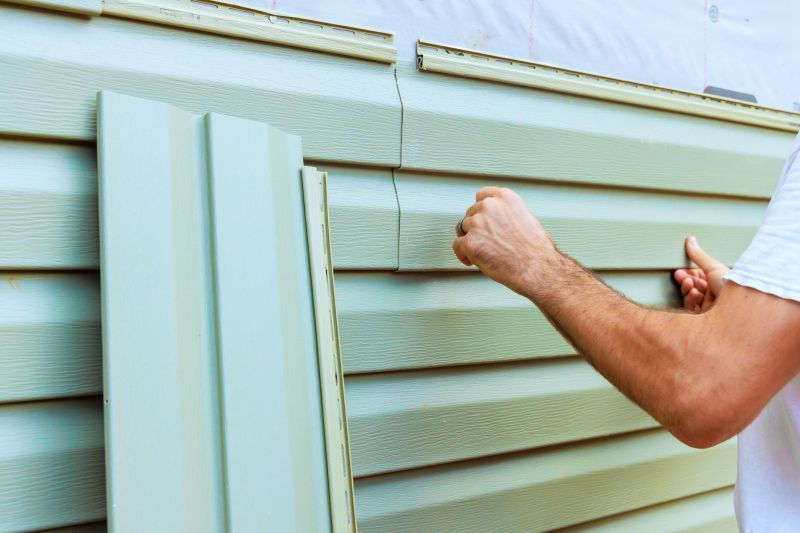
Ways to make Siding Service work in tight or awkward layouts.
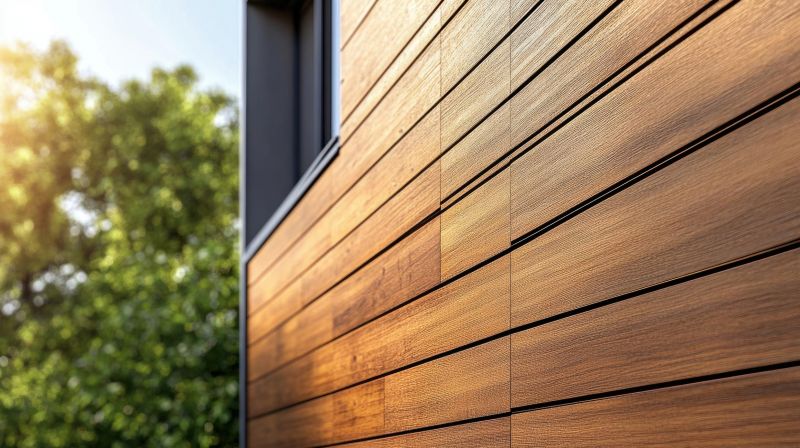
Popular materials for Siding Service and why they hold up over time.
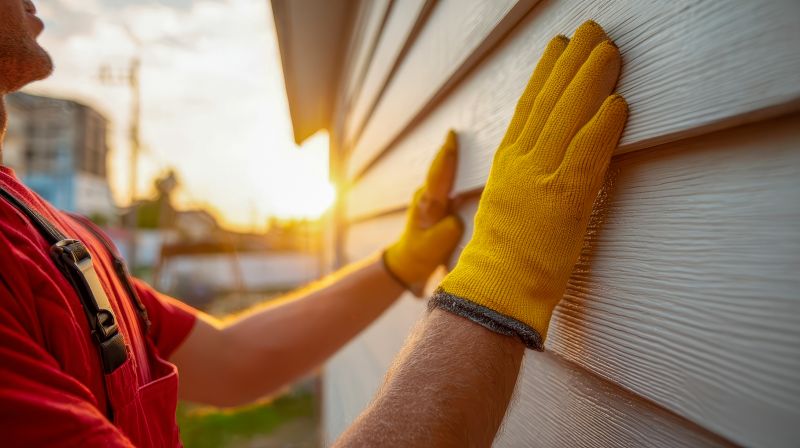
Simple add-ons that improve Siding Service without blowing the budget.
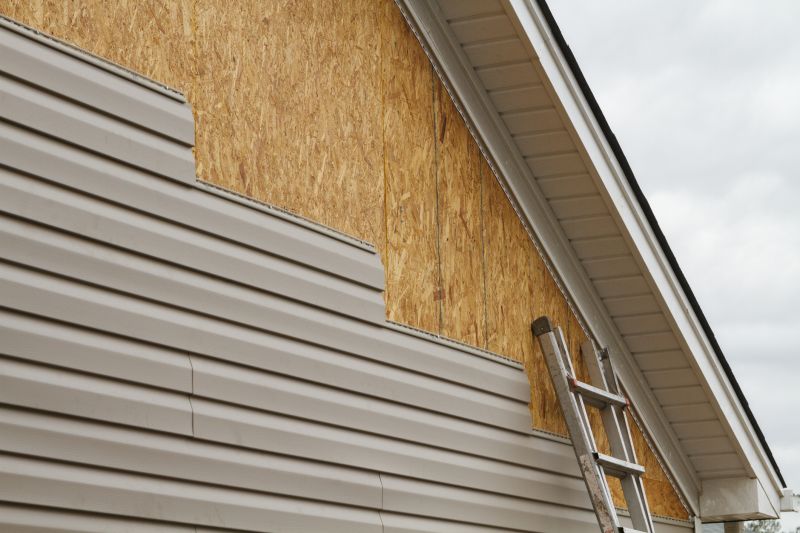
High-end options that actually feel worth it for Siding Service.
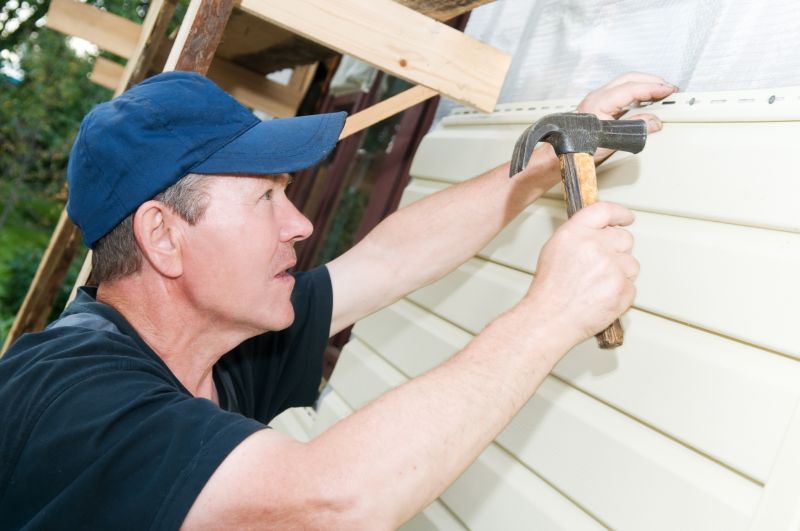
Finishes and colors that play nicely with Siding Service.
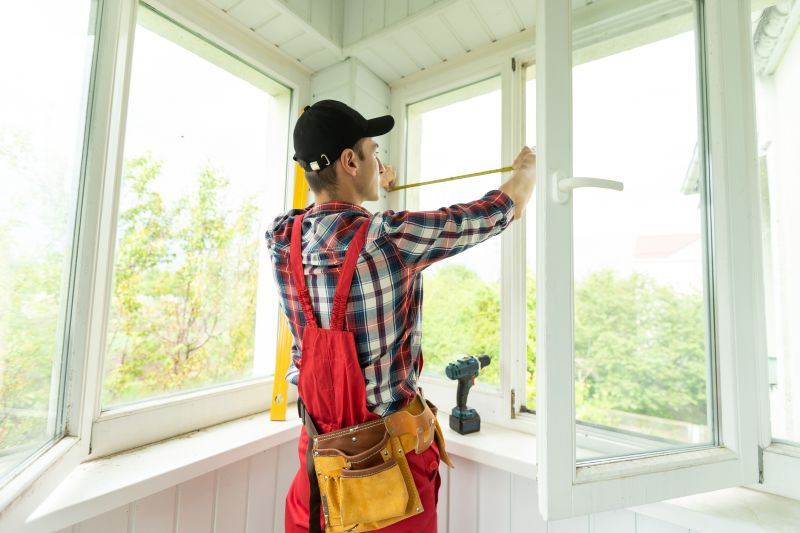
Little measurements that prevent headaches on Siding Service day.

A 60-second routine that keeps Siding Service looking new.
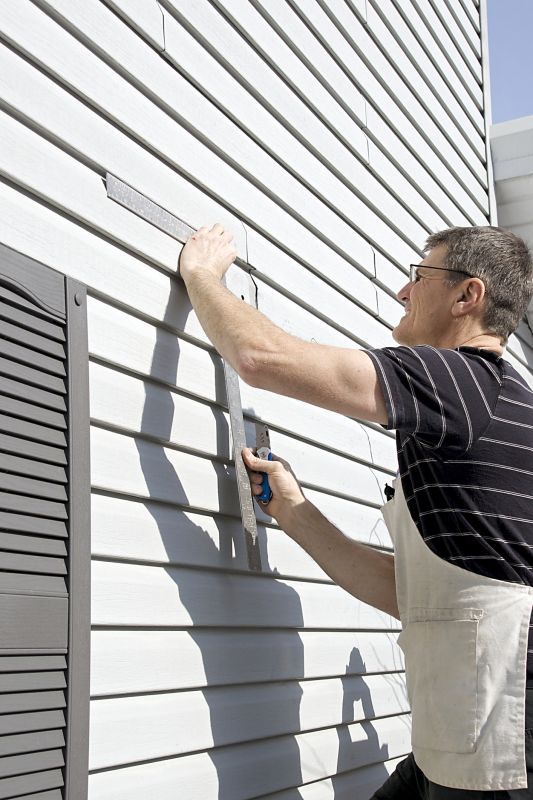
A frequent mistake in Siding Service and how to dodge it.
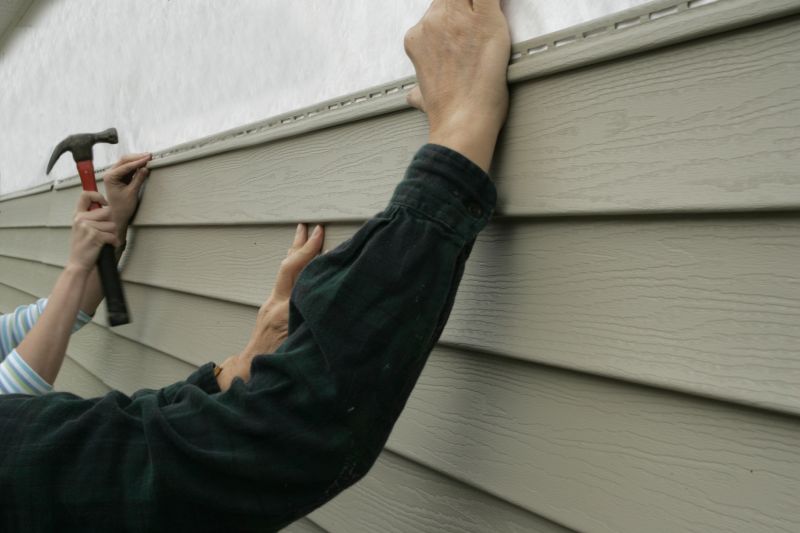
Small tweaks to make Siding Service safer and easier to use.
| Season | Best Practices |
|---|---|
| Spring | Schedule during mild temperatures and avoid early spring snow or late frosts. |
| Summer | Proceed early in the season to avoid peak heat and humidity. |
| Fall | Ideal for preparation before winter, with stable weather conditions. |
| Winter | Generally not recommended due to cold temperatures and potential snow. |
Siding service encompasses installation, repair, and maintenance of exterior wall coverings, which protect buildings and enhance curb appeal. Proper timing ensures materials adhere correctly, and the work is completed efficiently. Regular siding updates can improve insulation, reduce energy costs, and prevent damage caused by weather exposure.
Statistics indicate that scheduling siding work during favorable weather conditions reduces the likelihood of delays and rework. It also contributes to longer-lasting results and better aesthetic outcomes. Planning ahead for seasonal weather patterns can optimize project timelines and ensure the durability of siding materials.
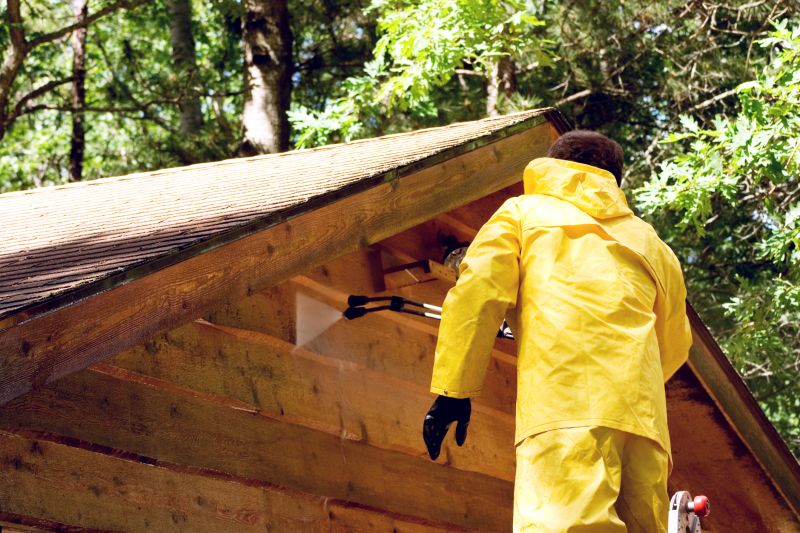
Lower-waste or water-saving choices for Siding Service.
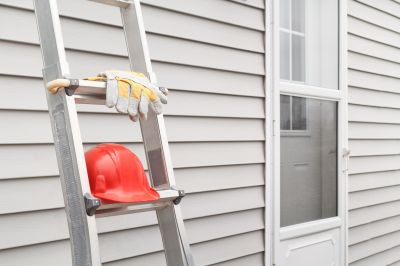
The short, realistic tool list for quality Siding Service.
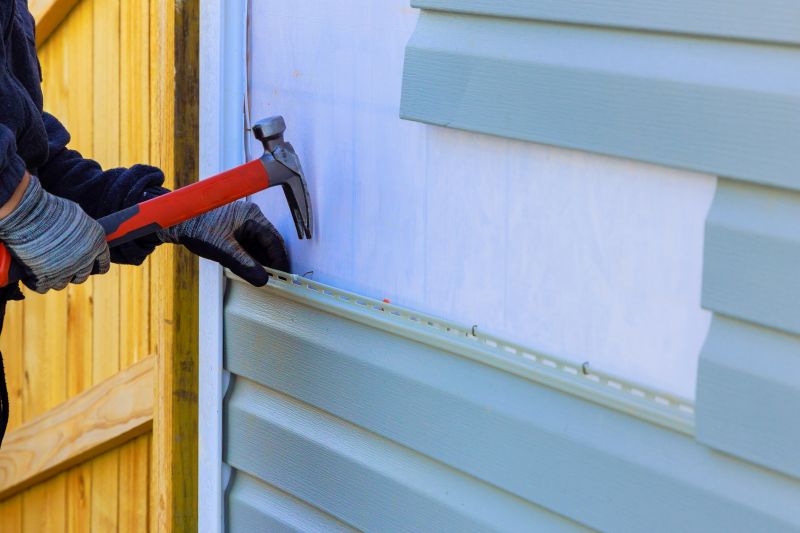
Rough timing from prep to clean-up for Siding Service.
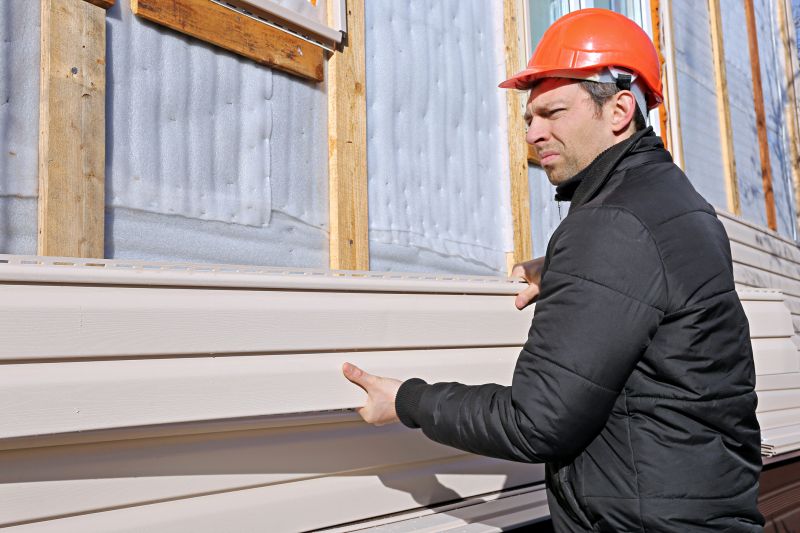
Quick checks and paperwork to keep after Siding Service.
Interested in scheduling siding service? Filling out the contact form provides an opportunity to discuss available options and preferred timing, ensuring the project aligns with seasonal conditions for optimal results.